
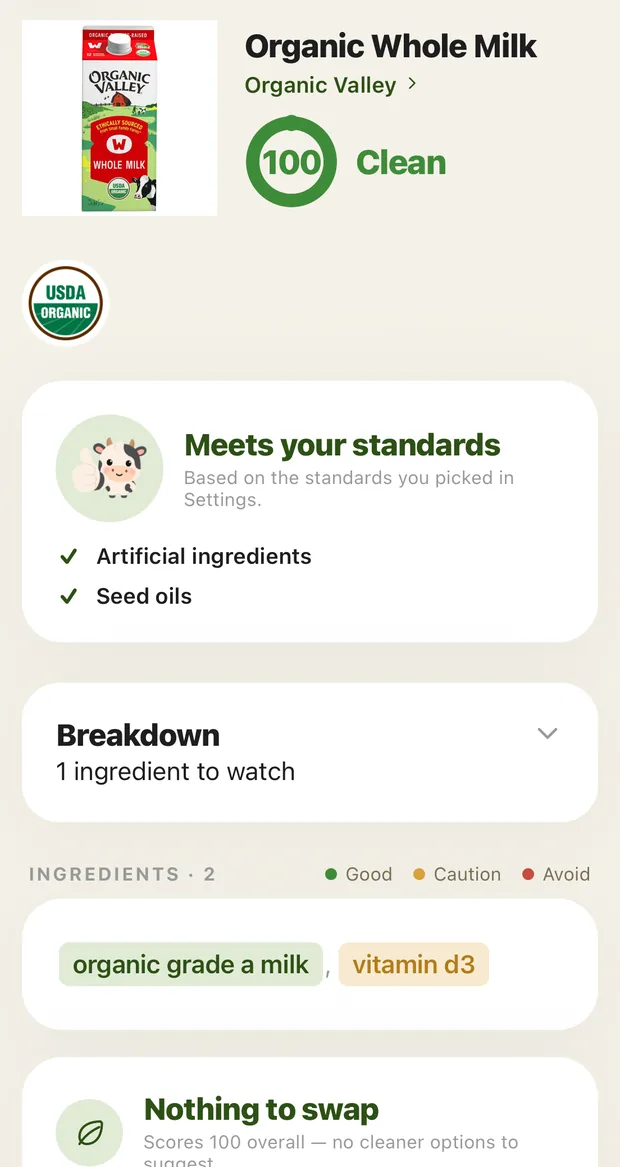
How Tallow works
No research required.
Scan it
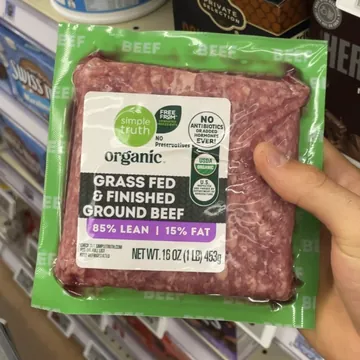
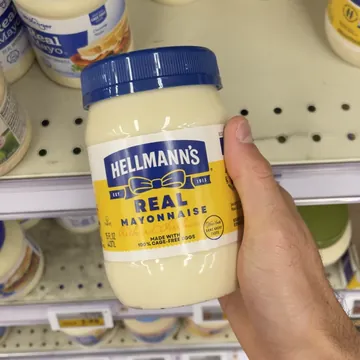
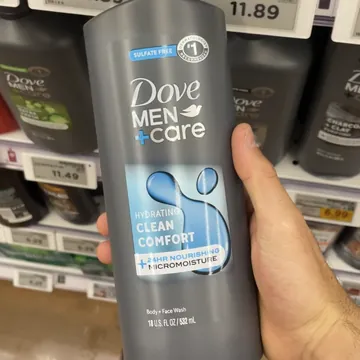
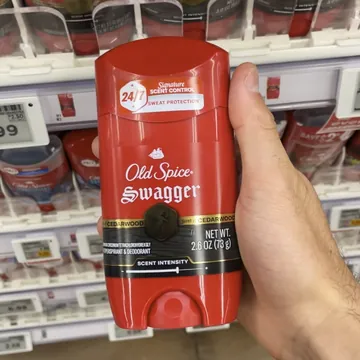
Point your camera at the barcode on that tray of ground chuck, or anything else in the store.
Ground Chuck, 80/20
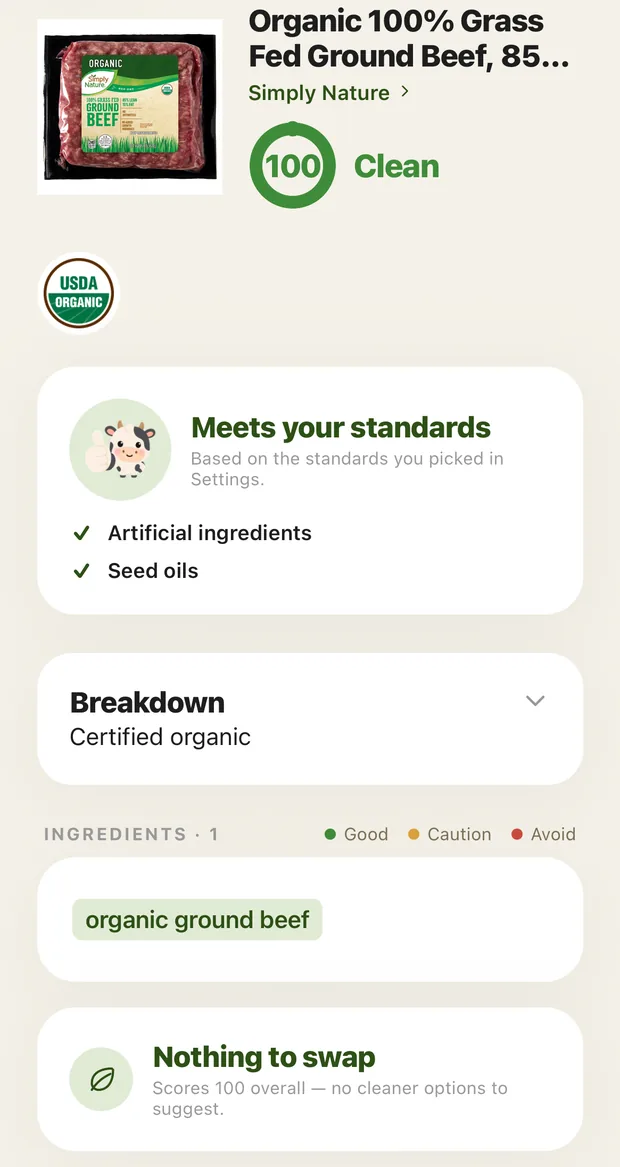
See the score
A 50 out of 100, with the exact reasons named. You can read into exactly why it scored that way.
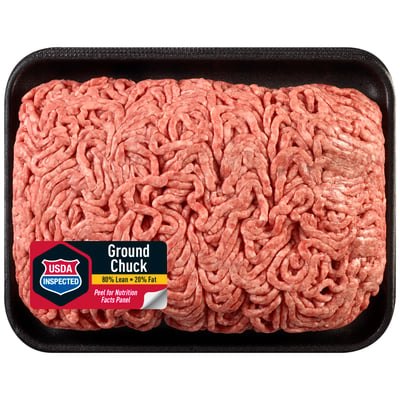 What you picked up50
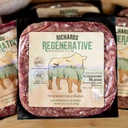 94
Swap it
Tallow puts a 94 in front of you. Same shelf, same dinner, so you swap instead of walking away empty-handed.
It's that easy.
Why Tallow
Find real,
trustworthy food.
We break it down. You decide.
Pick the standards you won’t cross. Every product gets a yes or no next to the number.
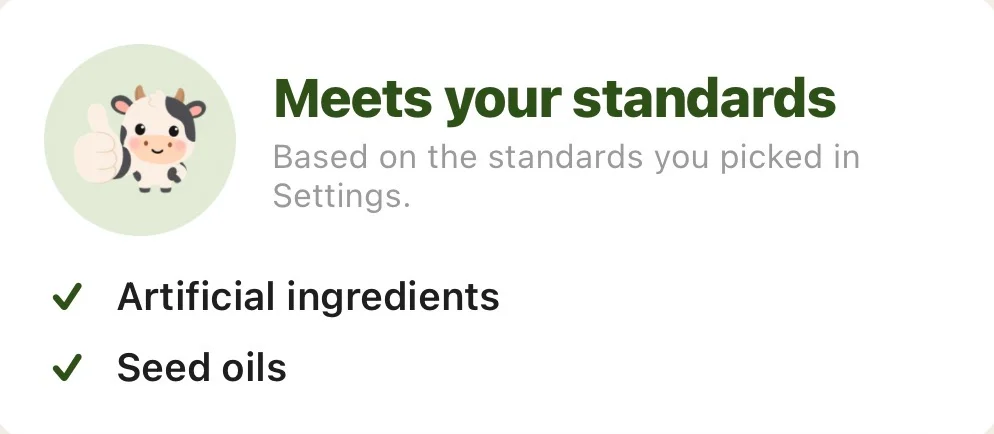
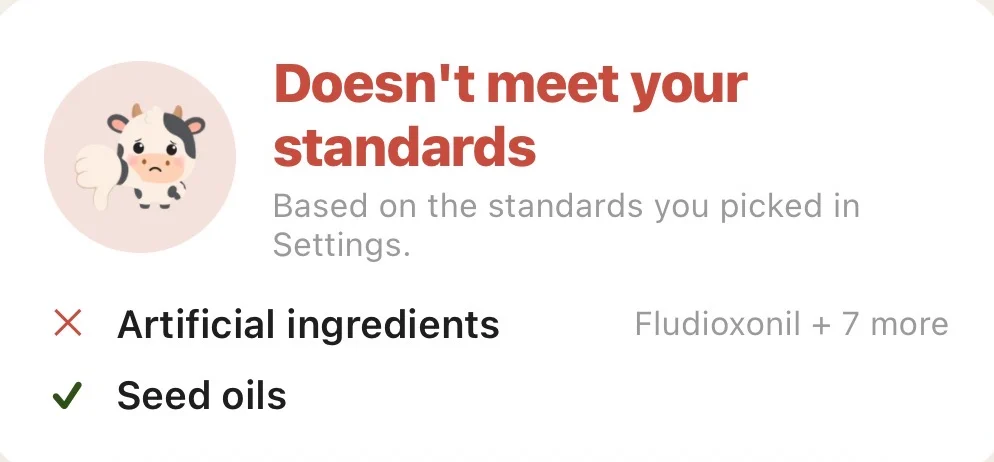
Fail one standard and it’s a no, whatever it scored.
We read the lab reports so you don't have to.
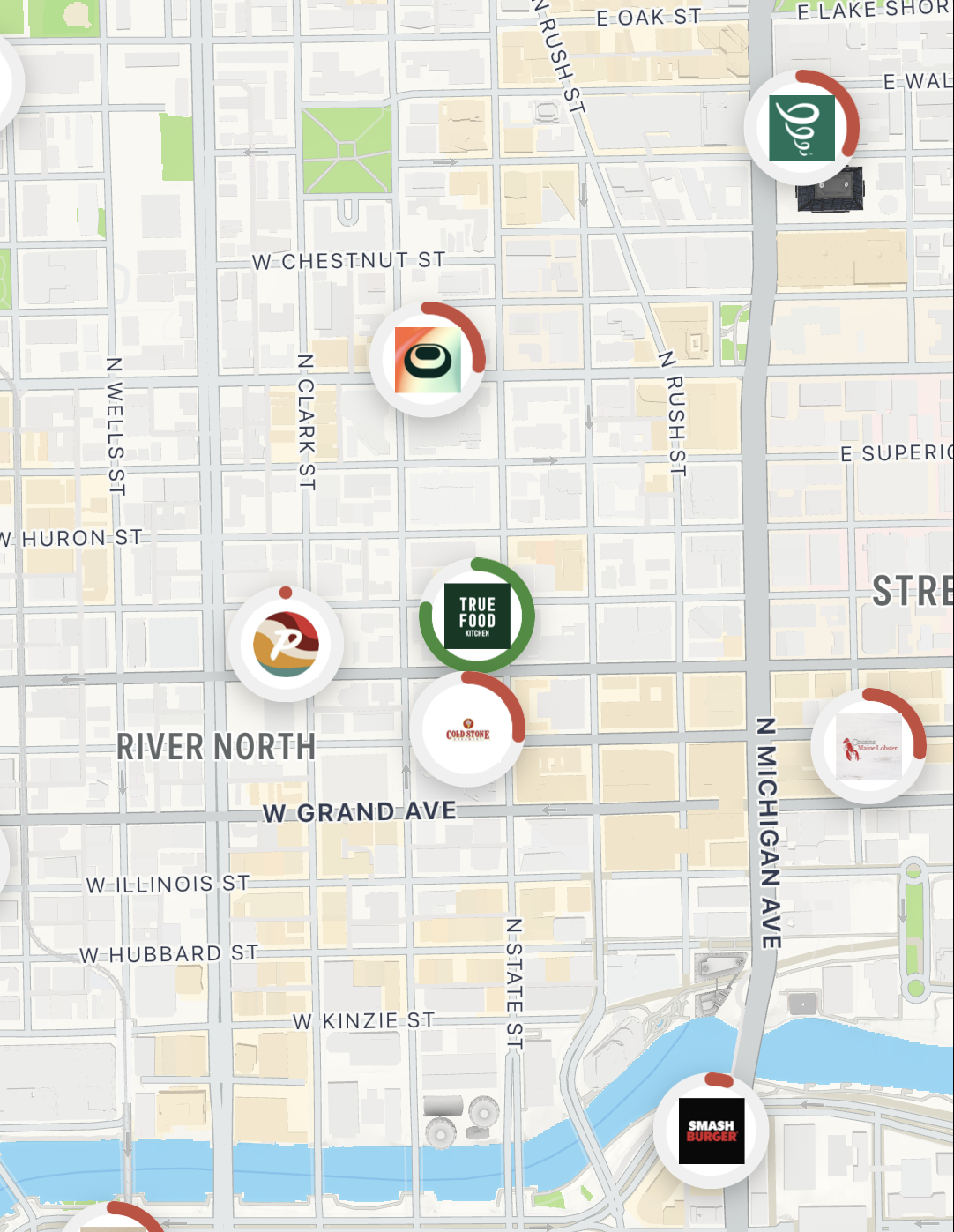
Know before you walk in.
Places near you, scored on what the kitchen actually cooks with. Filter to the ones that skip seed oils entirely.
Stricter rules for the small ones.
Flip one switch and Tallow tightens up: anything no lab has ever measured loses points instead of getting the benefit of the doubt.



 Trusted by people who stopped trusting the label


FAQ
Questions, answered straight.
How is the Tallow score calculated?
Every product starts at 100. Each ingredient is rated 0–4: the worst tier costs 40 points, the next 10, mild ones 3. Penalties stack, and the first ingredient weighs 1.3×. A lab-measured contaminant is priced against its legal limit instead. NOVA 4 loses 10 and NOVA 3 loses 5. Packaging costs up to 8, or up to 60 when the package itself sheds into the food. Certified organic adds 5. Label claims count too: grass-fed, pasture-raised, wild-caught and regenerative add 3 each (10 at most), while bioengineered, lab-grown, 3D-printed and irradiated cost 10 each (20 at most).
Are seed oils actually bad?
Setting the inflammation debate aside, we flag them because they're the clearest signal of careful sourcing. Products and kitchens that skip seed oils almost always skip the additives and packaging we penalize too.
What is NOVA classification?
The standard food-classification system used in nutrition research. Group 1 is unprocessed, 2 is culinary ingredients like oil and butter, 3 is processed foods like bread and cheese, and 4 is ultra-processed. Tallow works the group out from each product's ingredient list and shows it on every food it can classify — supplements and non-food products have none.
Can I score products against my own standards?
Yes. Pick from 30+ standards, including seed oils, artificial ingredients, ultra-processed, high sugar, gluten, common allergens (peanuts, tree nuts, dairy, eggs, soy, sesame, fish, shellfish), vegan, halal, kosher and a pregnancy check. Every scan gives you a thumbs up or down against your standards, or tells you plainly when there isn't enough info to check. One strike: fail one and it's a no for you, whatever the score.
What's free, and what costs money?
Free to download, with unlimited scanning. Every scan shows your standards verdict, the full ingredient list with each ingredient rated, lab results on tested products, and nutrition facts, all free. The restaurant map and the Farms map (40,000+ U.S. farms and markets) are free too. Premium (yearly or monthly, with a free trial in-app) unlocks the 0–100 score and its breakdown, Healthier Swaps, in-app product search, recall details, Kid-Safe Mode, Detox and offline mode. Prices differ between the App Store and Google Play, and the app shows yours before you pay. Product pages on tallow.app show the score to anyone, free.
How do you make money?
The Premium subscription on the scanner, Amazon affiliate links on some products (we earn a commission on qualifying purchases), and ads on our blog posts. There are no ads inside the app. We also take money from brands and restaurants for placement and partnerships, and we say so when we do. What money can never buy is a score: product scores come from ingredients and lab data, restaurant scores mostly from Tallow's own research plus moderated ratings from users, and no payment has ever moved one up or down.